
Japan: a country unlike anything you might have imagined
Temples and skyscrapers. Silence and neon lights. Deer roaming free in a park next to an 8th-century temple. Japan doesn’t choose between its contradictions: it embraces them all. And that is exactly what makes this trip so unforgettable.
There are places you simply visit. And then there are places that change your whole perspective. Japan clearly falls into the second category.
It’s not just that it’s beautiful, although it is. It’s not just that it’s efficient, although it is that too. It’s that it has its own way of understanding time, space and courtesy, which forces you to slow down and pay attention in a different way. You arrive with your habits, and Japan, without saying a word, calls them all into question.
This itinerary takes you across the country from north to south, following a logical sequence: starting with the most contemporary side of Tokyo, delving into nature and history, and arriving in Osaka once you’ve understood the origins of everything you see. The bullet train does the rest: it connects each stage with a punctuality that, in Japan, is not a point of pride but a way of life.
The itinerary has been designed by a supplier specialising in this destination. I’ll be joining you as your tour leader: the person you’ve chosen to lead this trip, who’ll be with you every step of the way so that you can focus on the only thing that matters – enjoying the experience.
City by city — What we’re going to see and what it means
Tokyo — Where the future and the past share the pavement
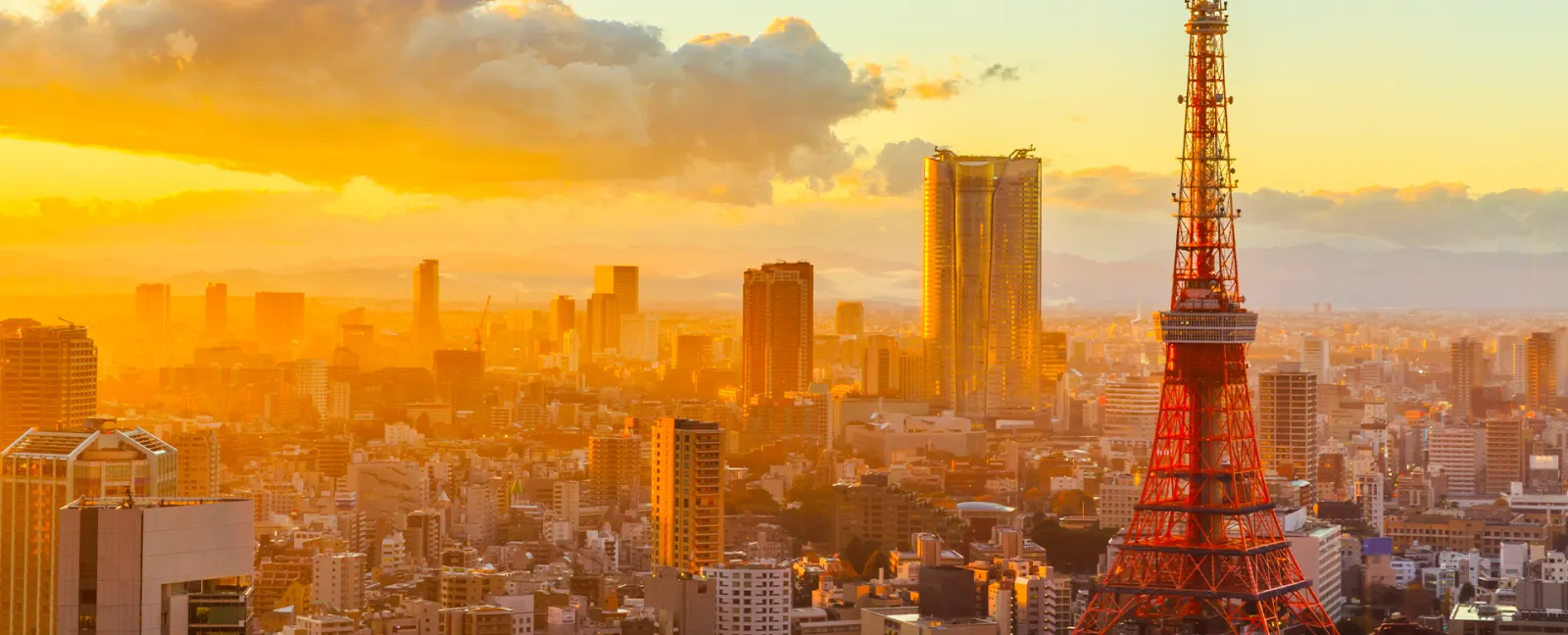
Tokyo is the world’s most populous city and, paradoxically, one of the quietest at the moments you least expect it. A metro arriving right on the dot. A 7th-century Buddhist temple surrounded by electronics shops. A Zen garden just two hundred metres from a ten-storey-high advertising screen.
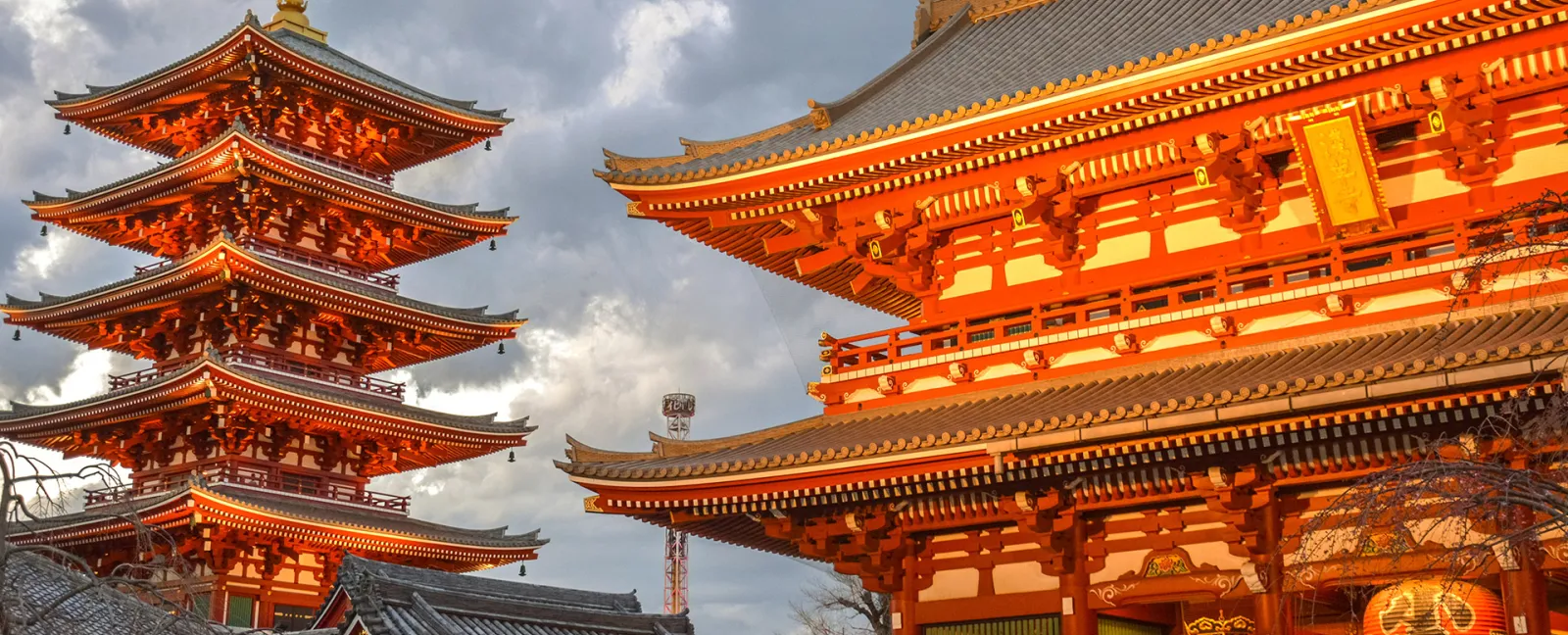
The Senso-ji, in the Asakusa district, is the city’s oldest temple and one of the most visited in the whole of Japan. Its large red lantern, its avenue of stalls and its inner courtyard have a presence that remains undiminished even if you arrive at the height of the tourist rush.
Traditional markets, neighbourhoods ranging from the most classic to the most contemporary, viewpoints from which the city stretches as far as the eye can see: Tokyo never ceases to amaze. But there’s no need to see it all either. You just need to know where to look.
Mount Fuji and the surrounding area — The Japan you’ve always imagined
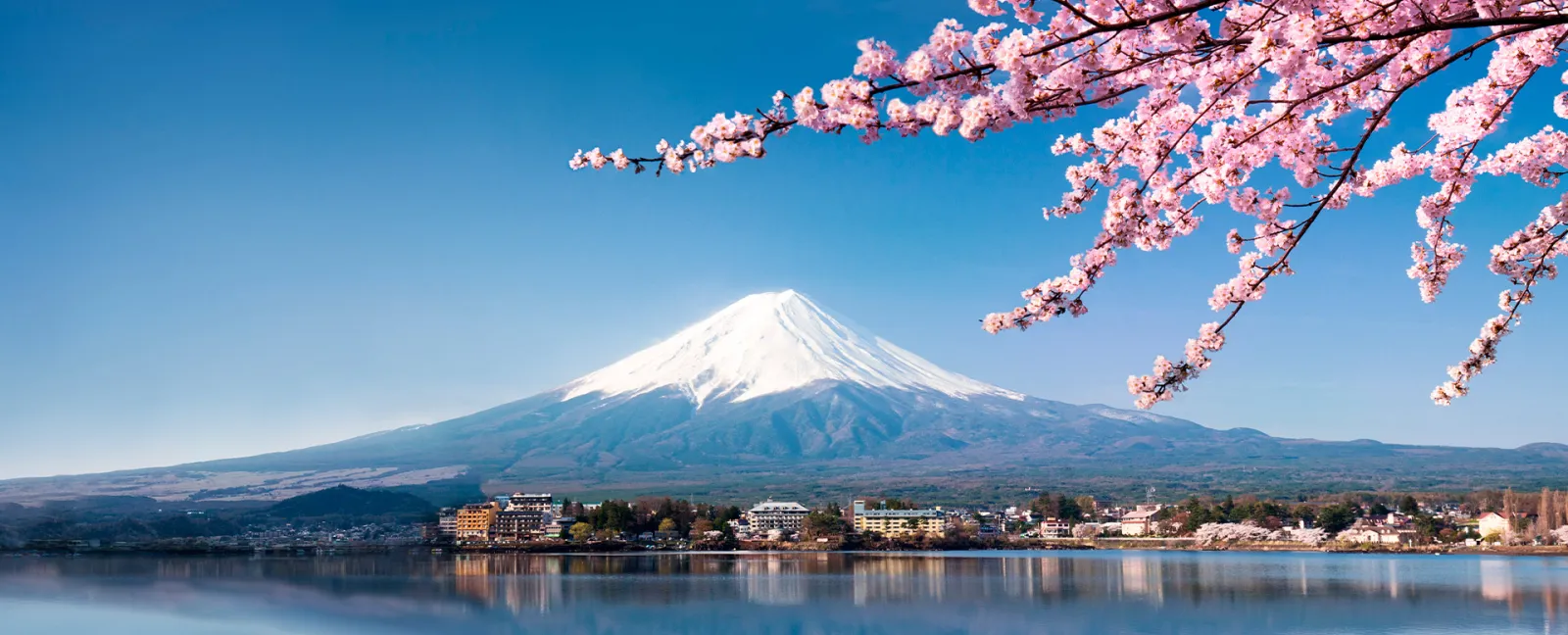
The Mount Fuji It needs no introduction. What is surprising, however, is everything surrounding it.
The Lake Ashi offers one of the country’s most recognisable views, with the volcano reflected in the water on clear days. The villages of Oshino Hakkai, with their crystal-clear springs fed by the snowmelt from Mount Fuji, have a tranquillity that makes you want to stay longer than you had planned.
And then there’s the The Great Buddha of Kotoku-in, in Kamakura: a thirteen-metre-tall bronze statue standing in the open air, serene and unflappable, gazing straight ahead for more than seven centuries. There is something very Japanese about that image. A grandeur that needs no roof.
Kyoto — The heart that never stopped beating
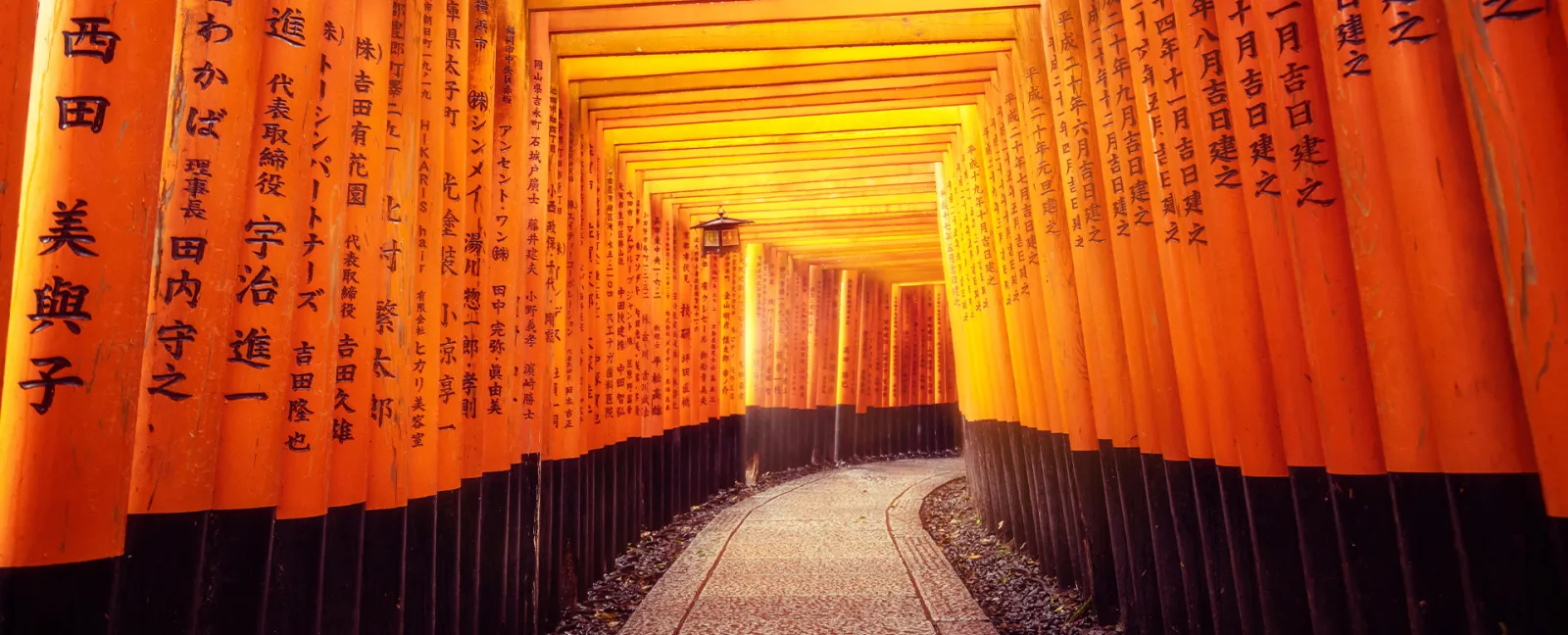
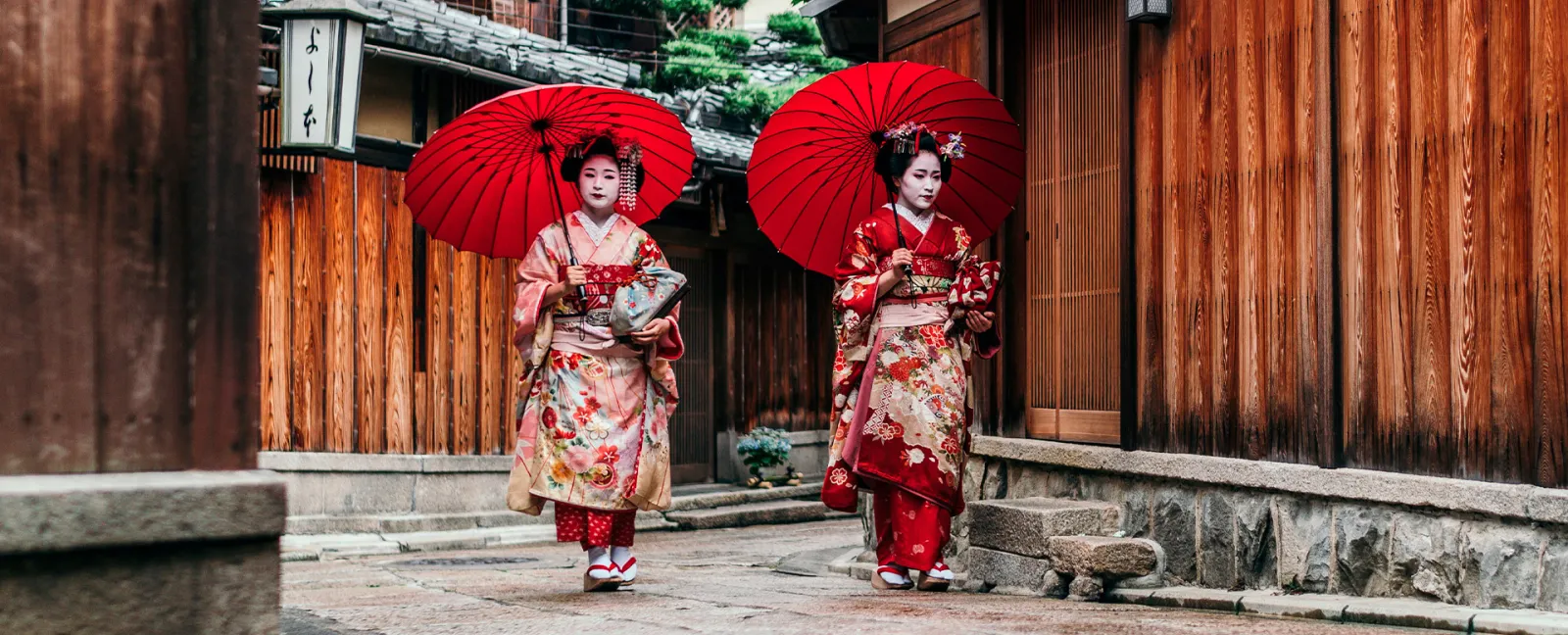
Kyoto was the imperial capital of Japan for over a thousand years. It is not a city of museums: it is a city that is, in itself, a museum.
The Golden Pavilion —Kinkaku-ji— is one of those sights that you’ve seen before, yet which still has a different effect when you see it in person. The reflection in the pond, the silence all around, the perfect balance between the building and the garden.
The Arashiyama Bamboo Grove It has a distinctive acoustic quality: the sound of the wind rustling through the stalks is instantly recognisable, even if you’ve never heard it before. It’s worth arriving early.
The The Philosopher’s Walk It is a path running alongside a canal, flanked by cherry trees, which in spring becomes one of the country’s most celebrated landscapes. Out of season, it has a different kind of beauty: the beauty of silence without the crowds.
The neighbourhood of Gion it is the land of the geishas — or, more precisely, of the maiko y geiko, as they are known in Kyoto. Its wooden streets, paper-clad façades and lanterns lit at dusk offer the most authentic glimpse of what classical Japan was like. And it remains just as real today.
Nara — Deer, temples and a different scale
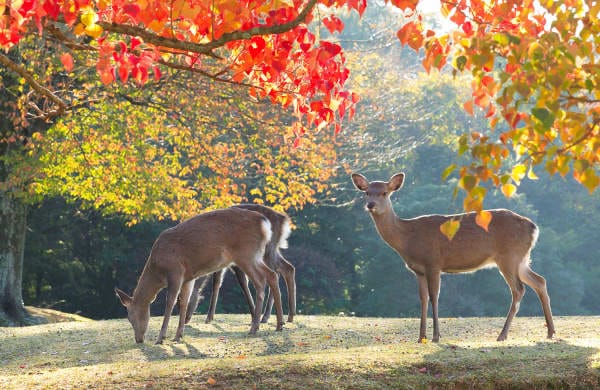
Less than an hour from Kyoto, Nara It has a different pace. Smaller, more intimate. Its deer — regarded as divine messengers and protected for centuries — roam freely amongst the visitors and the historic temples. It is one of those experiences that is difficult to describe but feels perfectly natural to experience.
Hiroshima and Miyajima — Remembrance and beauty in a single day
Hiroshima requires a different kind of attention. The Peace Park and the Memorial Museum They are not conventional tourist destinations: they are places of remembrance. They are among the few places in the world where devastation and reconstruction coexist in the same space, in plain sight, without euphemisms. Taking your time and being willing to listen is the only way to do them justice.
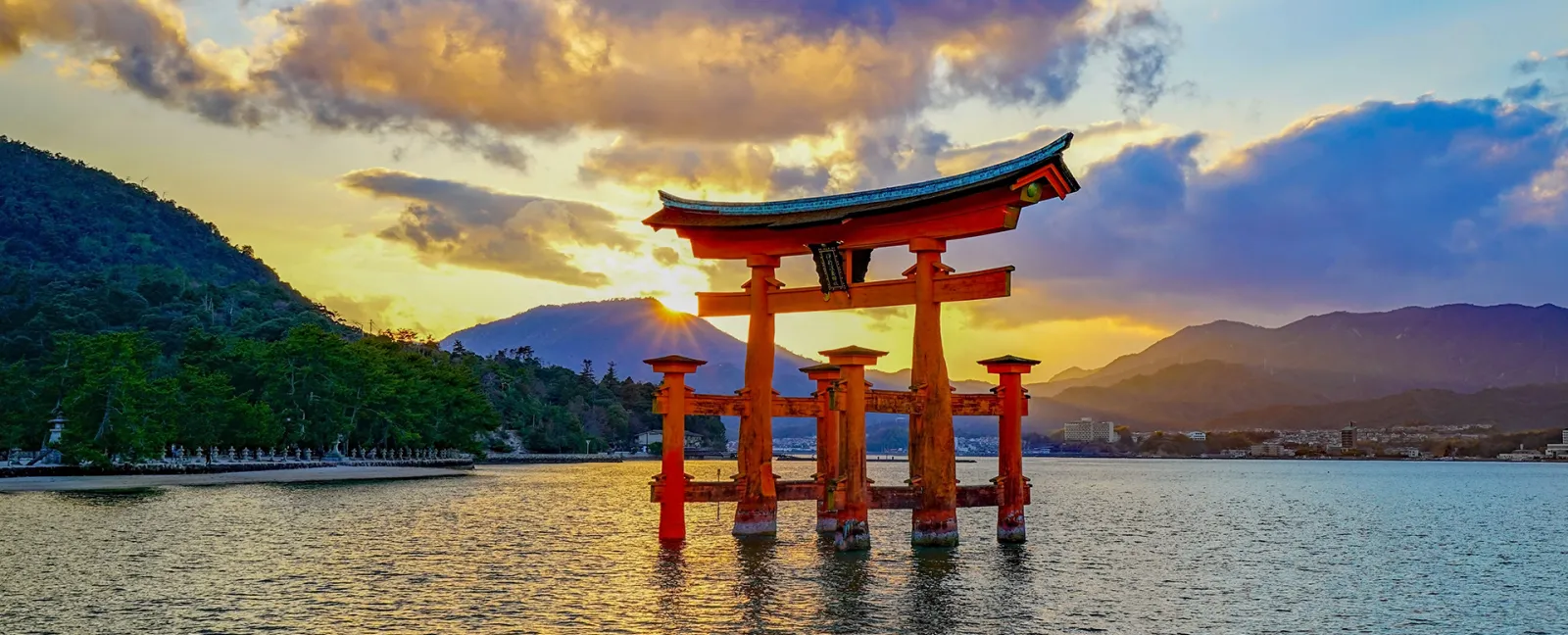
Just a few minutes away by ferry, the island of Miyajima It is one of the three landscapes considered to be the most beautiful in Japan. Its torii The ‘floating’ torii — the great Shinto gate that seems to rise from the sea at high tide — is an image that never loses its power, even if you’ve seen it a thousand times in photographs. The deer that appears, strolling calmly along the jetty as you arrive, isn’t in any brochure, but it’s usually there.
Osaka — A final that leaves you wanting more
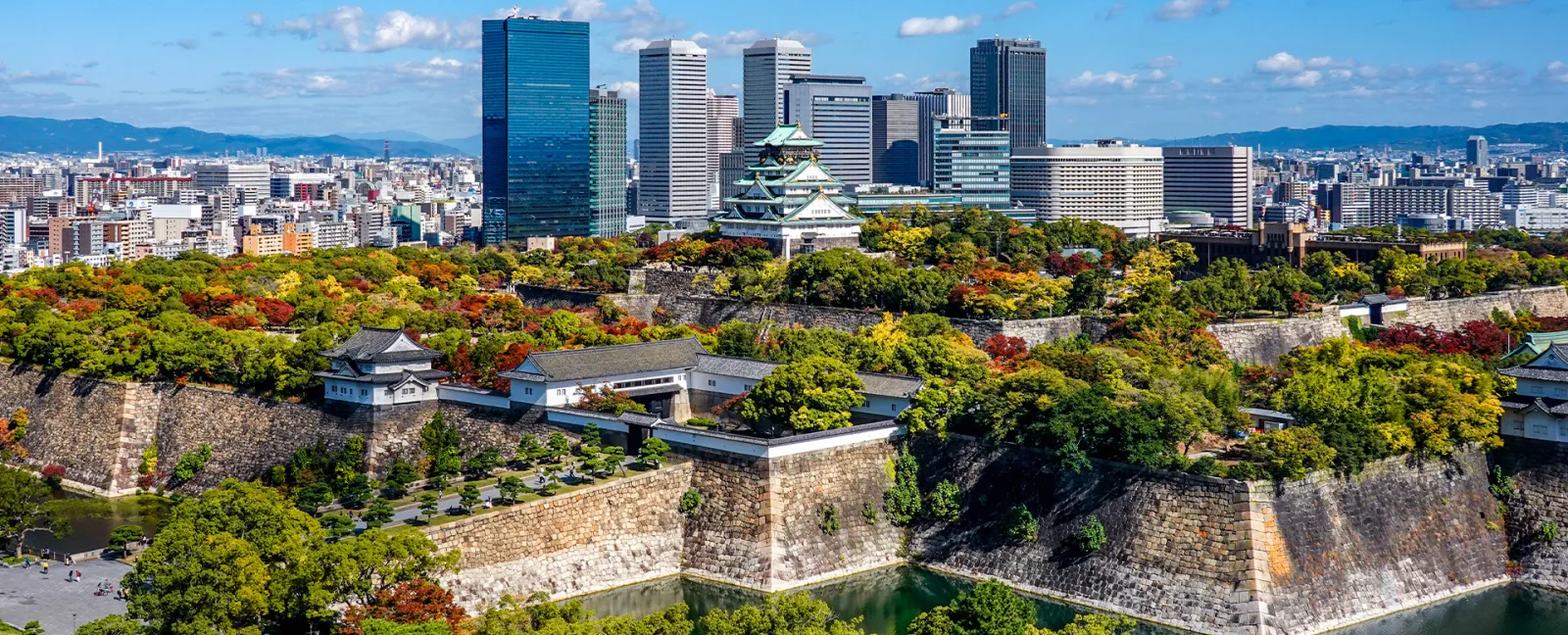
Osaka brings the tour to a lively close. It is Japan’s most uninhibited city, the noisiest, and the one with the best food. The market in Dotonbori, the Osaka Castle With its moat and gardens, and the street life that goes on late into the night: everything here has a different intensity to that of Tokyo – more direct, more festive.
It’s a good ending. Not because it sums up everything that has gone before, but because it contrasts with it.
Four Japanese people on a single trip
Tradition and spirituality
Temples, shrines and historic neighbourhoods that have stood for centuries and still serve their original purpose: as living spaces for religious and cultural practice.
Iconic nature
Mount Fuji, Lake Ashi, Arashiyama… Landscapes that you recognise even before you see them and which, when viewed in person, take on a whole new dimension compared to any photograph.
History and memory
Hiroshima and Miyajima. A chapter that the journey does not overlook, because understanding Japan also means understanding what it went through in the 20th century and how it chose to rebuild itself.
Urban avant-garde
Tokyo and Osaka. Two cities that demonstrate that modernity and cultural identity are not incompatible; in Japan, they have coexisted naturally for decades.
What changes when you’re with someone who’s made the right choice
You could go to Japan with any tour operator. There are plenty of package tours.
The difference isn’t in the route. It’s in who’s by your side.
I’m travelling with the group as the tour leader: I’m there at every stage, coordinating the group and taking care of whatever’s needed so that you don’t have to worry about anything other than enjoying the trip. There’s no one on the other end of a customer service helpline. There’s a real person, standing on the same Shinkansen platform, searching for the same temple amongst the alleyways of Kyoto.
And before we get there, I’ve chosen who we’ll be travelling with. Because the tour operator isn’t a minor detail: it’s the difference between a decent tour and an experience that’s truly worthwhile.
Is this trip right for you?
If anything you’ve read has struck a chord with you, the next step is simple: drop me a line and tell me a bit about yourself and what you’re looking for. That way, I can let you know whether this trip is a good fit for what you have in mind and exactly what it involves.
You can check the general terms and conditions for group trips before writing to me.
Japan has the strange ability to make you feel, at the same time, completely out of place and exactly where you ought to be. I can’t explain it any better than that. But I do know that anyone who goes there comes back a different person.
 Español
 English (UK)